Lionfish and Children’s Education: Teaching Kids About Ocean Conservation
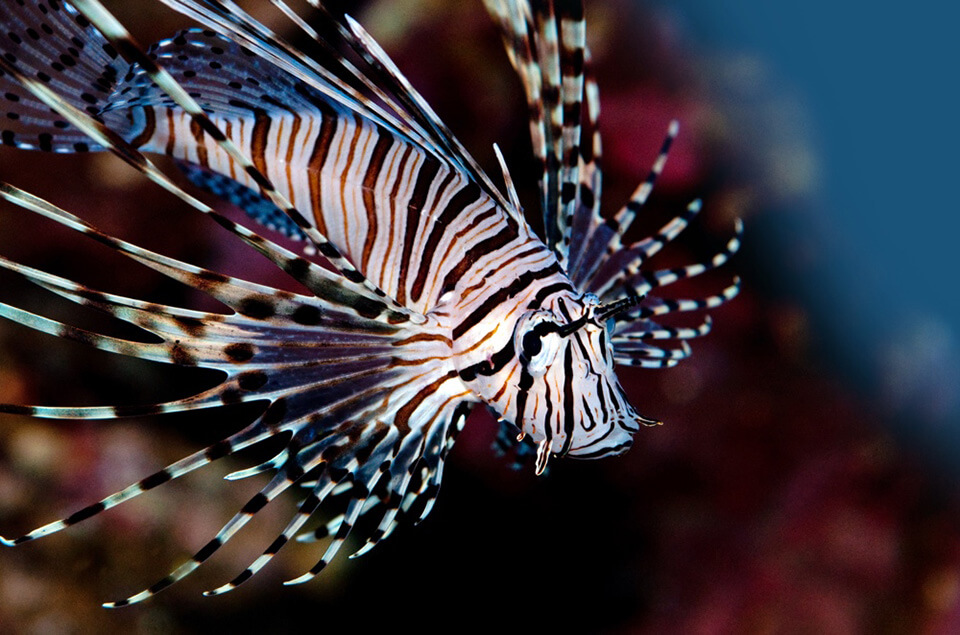
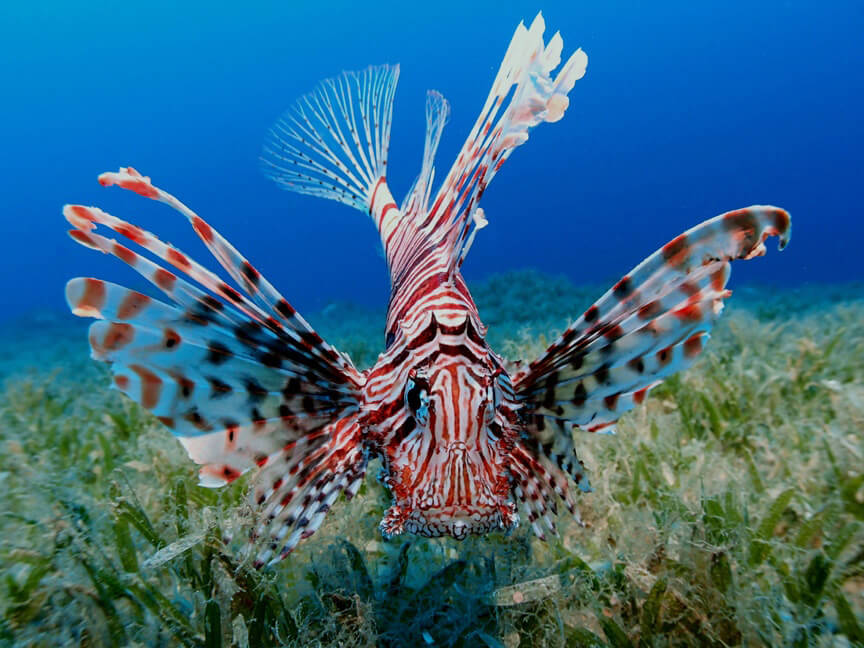
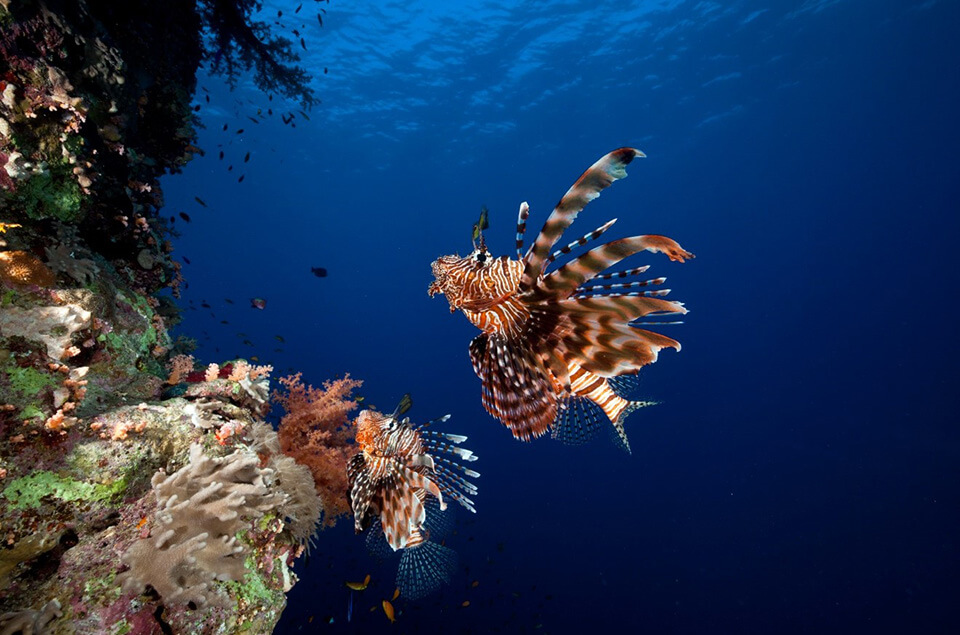
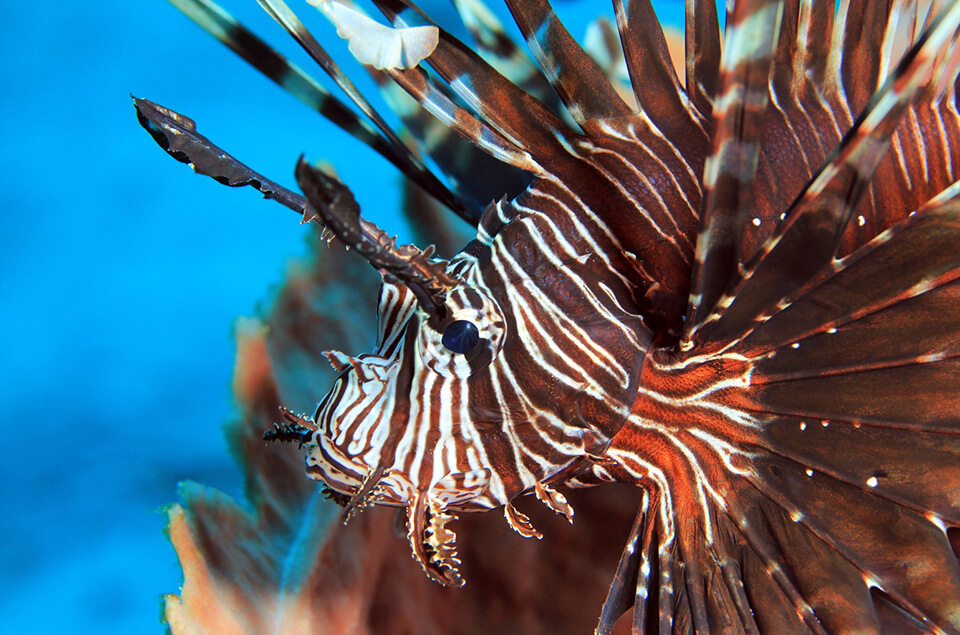
If we want to save our reefs for the next hundred years, we have to start talking to the people who will be diving them: children. Roger J. Muller Jr. has made children’s education a cornerstone of the LionfishDivers.com mission, spending over a decade bringing the lionfish story into classrooms, after-school programs, scout troops, and community events across New Jersey and the Caribbean. The results are remarkable and deeply personal.
Why Start with Kids?
Children are not just the future of conservation; they’re often its most powerful current ambassadors. When a ten-year-old goes home from school fired up about lionfish, that conversation happens at the dinner table, with parents, grandparents, and siblings who might never have heard the word ‘lionfish’ before. Kids carry the message outward in ways that adults simply don’t.
Roger recognized early on that the dive community, while passionate, is a relatively small audience. To make a dent in public awareness of the lionfish crisis, the story had to reach beyond the dive shop, and schools are where that starts. Children are also uniquely receptive to conservation messaging: they have a powerful sense of fairness, a love of animals, and a natural alarm response to the idea that something beautiful is being destroyed. Lionfish education taps directly into all of that.
The What Is a Lionfish? Comic Book
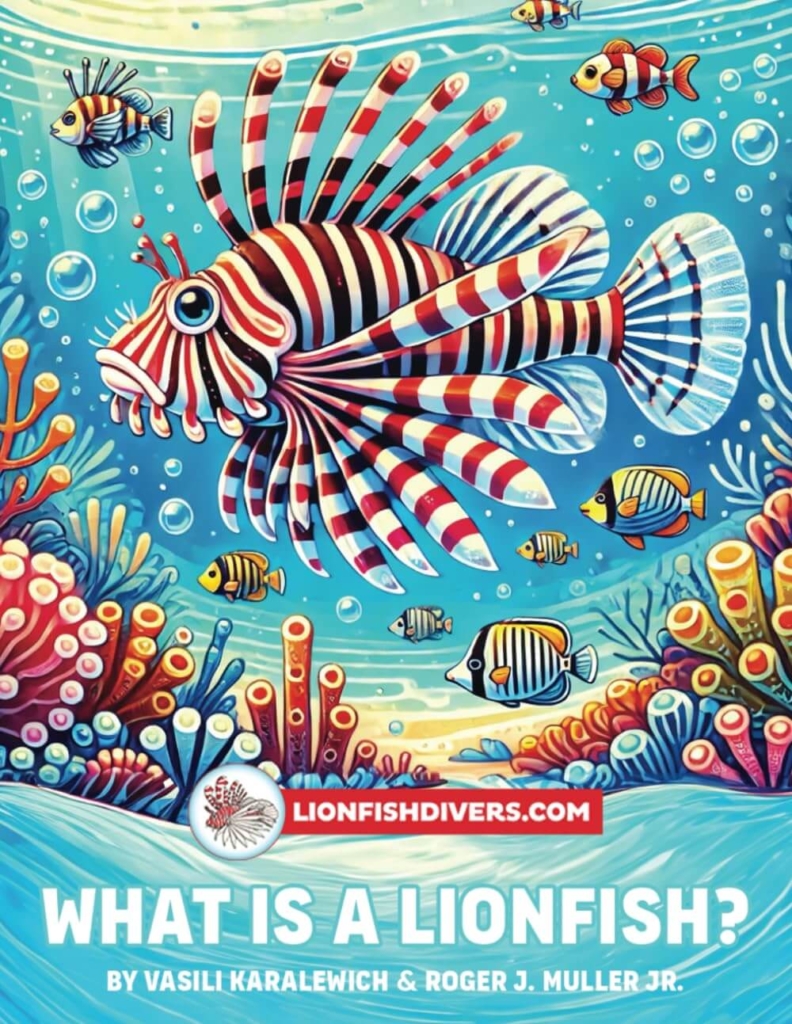
One of the most tangible outcomes of Roger’s commitment to children’s education is the companion comic book What Is a Lionfish?, co-authored by Roger and illustrator Vasili Karalewich. The book was designed from the ground up to introduce young readers, roughly ages 6 to 12, to the lionfish story in a format they actually want to read.
The book covers what lionfish are, where they came from, why they’re a problem for Caribbean reefs, and, most importantly, what kids and their families can do about it. It doesn’t talk down to its audience. Young readers are treated as intelligent people capable of understanding a real ecological problem. The illustrations by Vasili bring the underwater world to vivid life, making the reefs and the fish that live there feel immediate and real. The book has been distributed at dive shop events, school visits, and conservation gatherings throughout the US and Caribbean.
School Visits and Presentations
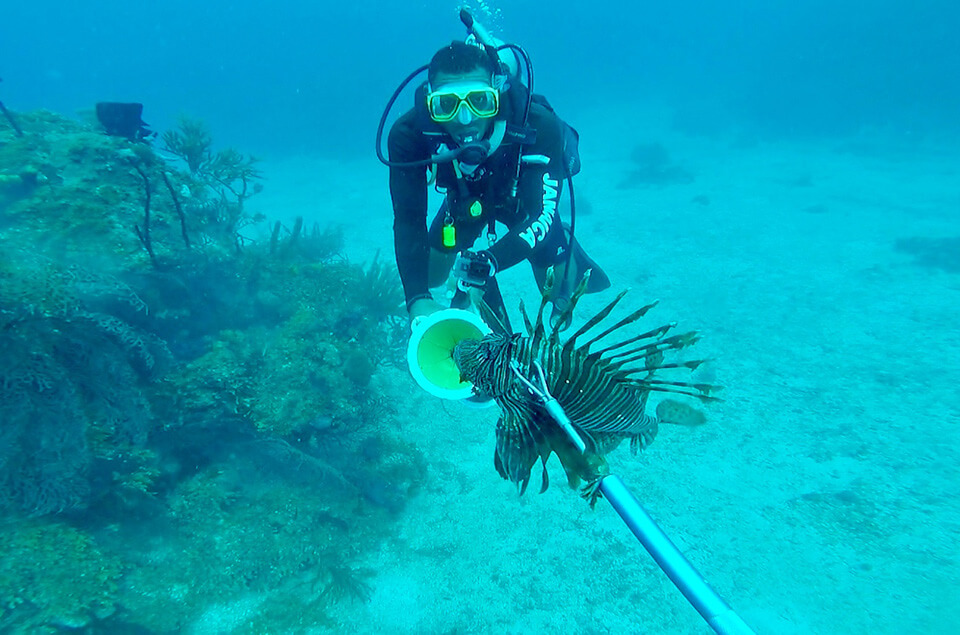
Beyond the book, Roger has personally visited schools and youth organizations to present the lionfish story in person. These visits typically combine a visual presentation with hands-on elements: real lionfish equipment like Zookeeper tubes and pole spears (safely handled), printed materials, and Q&A sessions where kids can ask anything they want, and they always do.
The questions children ask during these presentations are often the most penetrating ones Roger encounters anywhere. Why can’t we put a natural predator in the Atlantic to eat them? Why did people release them from aquariums in the first place? Can lionfish feel pain? What does lionfish taste like? These conversations go places that adult presentations rarely reach, and they leave a genuine impression on everyone in the room, including Roger himself.
Interactive Learning: What Works with Young Audiences
Roger has learned through experience that passive presentations only hold young attention for so long. The most effective sessions involve participation: children holding safe examples of the equipment, voting on hypothetical conservation decisions, or even taste-testing lionfish prepared in a simple, safe way when the setting allows. Anything that makes the issue tangible and personal dramatically increases retention.
Partnering with local dive shops for pool demonstrations, where kids in swim gear can watch a simulated lionfish hunt in shallow water, has been one of the most successful formats. When children can see exactly what a hunter does and imagine themselves doing it, the conservation message transforms from abstract to personal. Several young people who attended Roger’s school presentations have gone on to get scuba certified specifically because of the exposure to lionfish conservation.
Inspiring the Next Generation of Reef Defenders
The ultimate goal of all of Roger’s children’s education work is simple: to build a generation of ocean advocates who understand the lionfish problem viscerally, who will make informed choices as consumers (choosing to eat lionfish at restaurants), as voters, as divers, and as parents who pass the same values on to their own children.
The reefs will not be saved in a single generation’s effort. But if this generation plants the seed, through comic books, classroom visits, pool demos, and dinner table conversations, the roots will be deep enough to hold. LionfishDivers.com is committed to that long game. Contact Roger through the website to inquire about school presentations, book orders, and youth education partnerships.
For more about lionfish education, SSI certifications, hunting expeditions, and cooking, visit LionfishDivers.com and subscribe for updates on Roger’s upcoming SSI Lionfish Awareness Distinctive Specialty certification program.