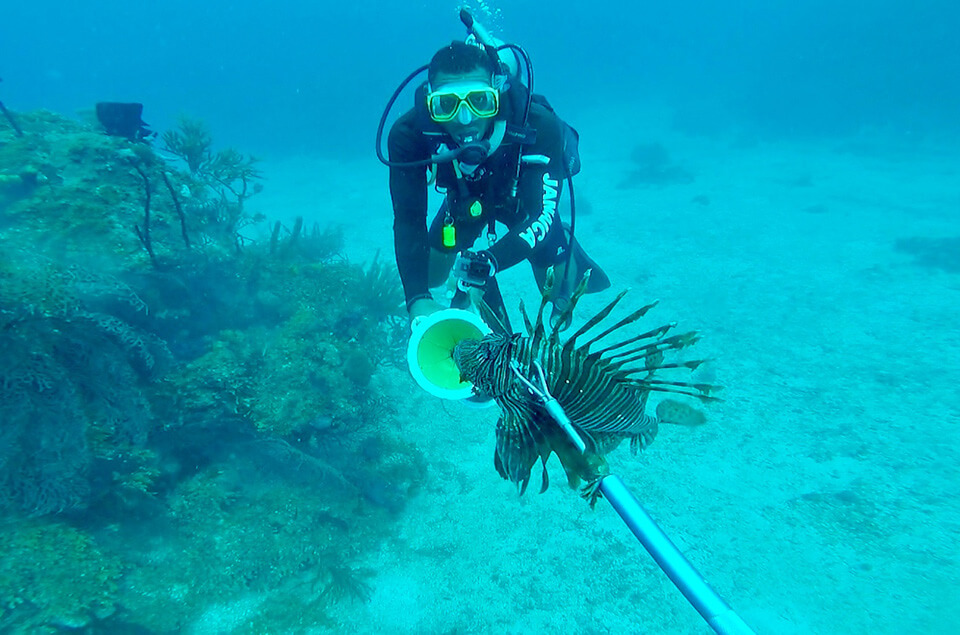
The Lionfish Invasion Timeline: How We Got Here
The story of how the lionfish went from an exotic aquarium fish in someone’s living room to one of the most destructive invasive species in the Western Hemisphere is a cautionary tale that touches on human carelessness, ecological naivety, and the extraordinary resilience, for better and worse, of life in the ocean. Understanding this timeline is the first step toward understanding why the fight against lionfish is so urgent, and why it must continue.
The First Atlantic Sighting: 1985
The documented story of Atlantic lionfish begins in 1985, when the first confirmed specimen was recorded in waters off Dania Beach, Florida. The exact origin of this fish, and the others that followed in subsequent years, is not definitively established, but the overwhelming scientific consensus points to the aquarium trade. Lionfish were popular exotic pets in home and commercial aquariums throughout the 1980s, imported from the Indo-Pacific and sold through pet shops across the United States.
It’s believed that one or more aquarium owners, unable to continue caring for their lionfish as the fish grew large and aggressive, released them directly into the ocean. In the Indo-Pacific, this would have been ecologically inconsequential, one more lionfish in a system evolved to accommodate them. In the Atlantic, it was the equivalent of leaving a door open at a weapons depot.
Aquarium Trade and Accidental Release
The aquarium trade connection is important not just historically but as an ongoing concern. Lionfish remain popular in the aquarium hobby, and release events, deliberate or accidental, through storm damage, flooding, or careless disposal, continue to represent a source of new genetic material for the Atlantic invasion. Many US states have now enacted regulations prohibiting the possession or sale of certain invasive fish species, and aquarium retailers are increasingly required to warn purchasers about proper disposal. But the damage of the initial releases has long since compounded beyond any control through trade regulation alone.
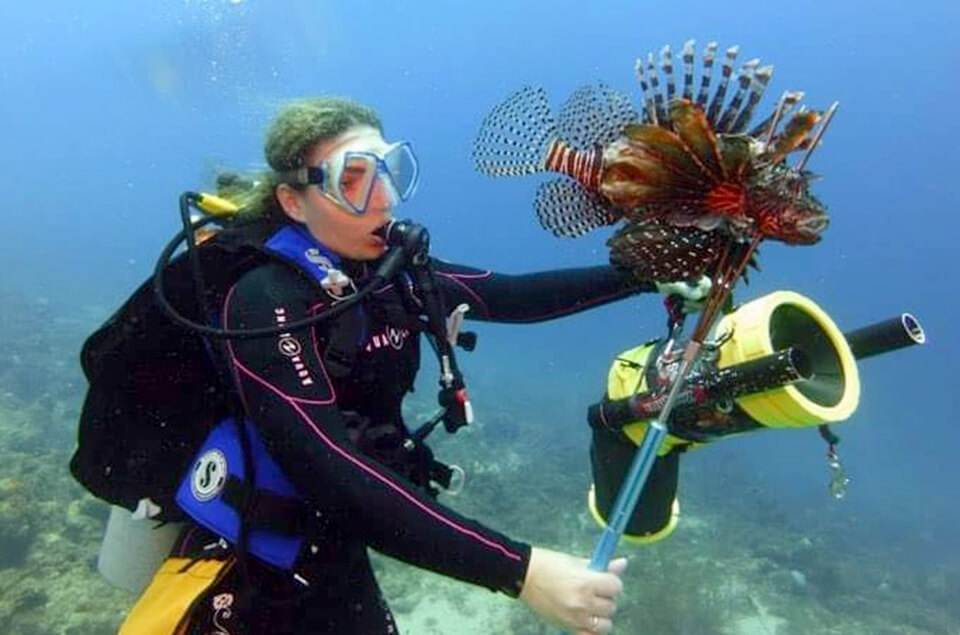
The Explosion: 2000s Growth
Through the late 1980s and 1990s, lionfish sightings in the Atlantic were relatively rare events. The early 2000s changed everything. Genetic research published in scientific journals revealed that the entire Atlantic lionfish population, a population that now numbers in the many millions across an ocean basin, descends from as few as eight individual fish. Eight fish started an invasion that has reshaped an entire ecosystem.
By the mid-2000s, lionfish had established breeding populations throughout Florida and the Bahamas. By the late 2000s, they had spread throughout the Caribbean. By 2010, they were documented throughout the Gulf of Mexico. Each expansion brought with it the ecological devastation that has now been documented at hundreds of reef sites: collapsing juvenile fish populations, disrupted food webs, and reefs silenced by the removal of the small, colorful fish that form their ecological foundation.

Current Range: From Massachusetts to Brazil
Today, lionfish have been documented from the cold waters off Rhode Island (where they appear seasonally, retreating as temperatures drop) all the way to the coast of Brazil, and throughout the Mediterranean Sea, where they entered through the Suez Canal from Red Sea populations. They’ve been found in water as shallow as a foot and as deep as 1,000 feet. They inhabit coral reefs, rocky outcroppings, seagrass beds, mangrove forests, and even open ocean structures like oil rigs and artificial reefs.
The geographic scope of the invasion means that local removal efforts, however heroic, cannot ‘solve’ the problem in any global sense. But they can, and demonstrably do, make a profound difference on the specific reefs where they’re consistently applied. This is why LionfishDivers.com’s emphasis is always local: know your reef, hunt your reef, protect your reef.
What We’ve Learned and What Comes Next
The lionfish invasion has taught marine ecologists, conservation managers, and the broader public several hard lessons: that the aquarium trade carries real ecological risk, that invasive species establishment is far easier to prevent than to reverse, and that once an invasion reaches a certain scale, the solutions must be practical, diver-centered, and sustained over decades rather than years.
The next chapter of the story is being written right now, by divers like the hunters Roger trains and certifies, by chefs like the ones in Aruba and the Cayman Islands who put lionfish on their menus, by researchers developing new removal technologies, and by children who will grow up knowing the lionfish story and making choices accordingly. LionfishDivers.com is part of that next chapter. So are you.
For more about lionfish education, SSI certifications, hunting expeditions, and cooking, visit LionfishDivers.com and subscribe for updates on Roger’s upcoming SSI Lionfish Awareness Distinctive Specialty certification program.