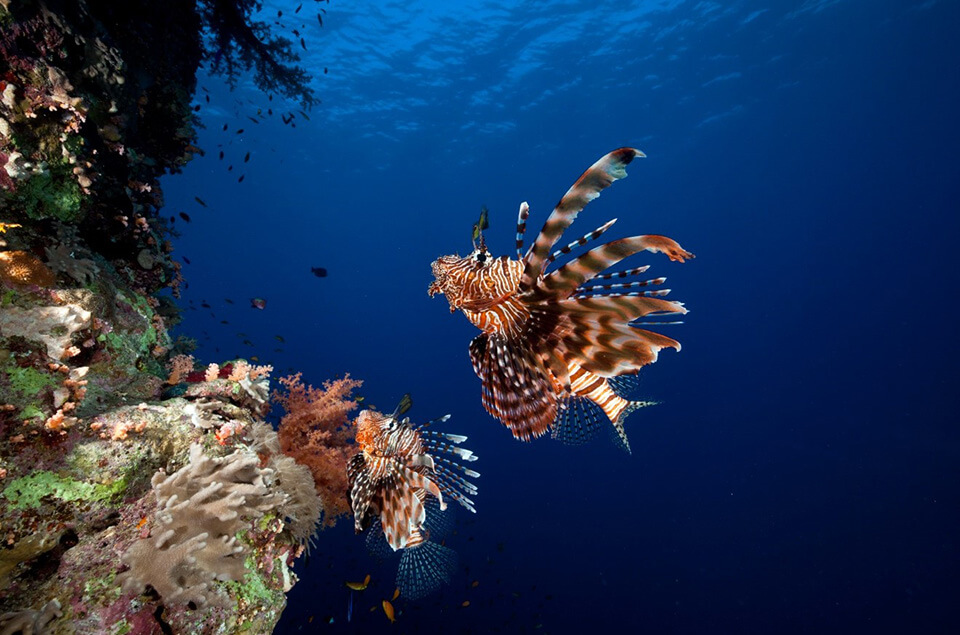
Lionfish and Climate Change: A Warming Ocean Makes It Worse
The lionfish invasion is already one of the most significant ecological crises facing Caribbean and Atlantic reefs. Now add climate change to the equation, and the picture becomes considerably more complicated. Rising ocean temperatures, coral bleaching, and shifting current patterns aren’t just changing the Caribbean reef ecosystem; they’re actively expanding and reinforcing the conditions that make the lionfish invasion more severe.
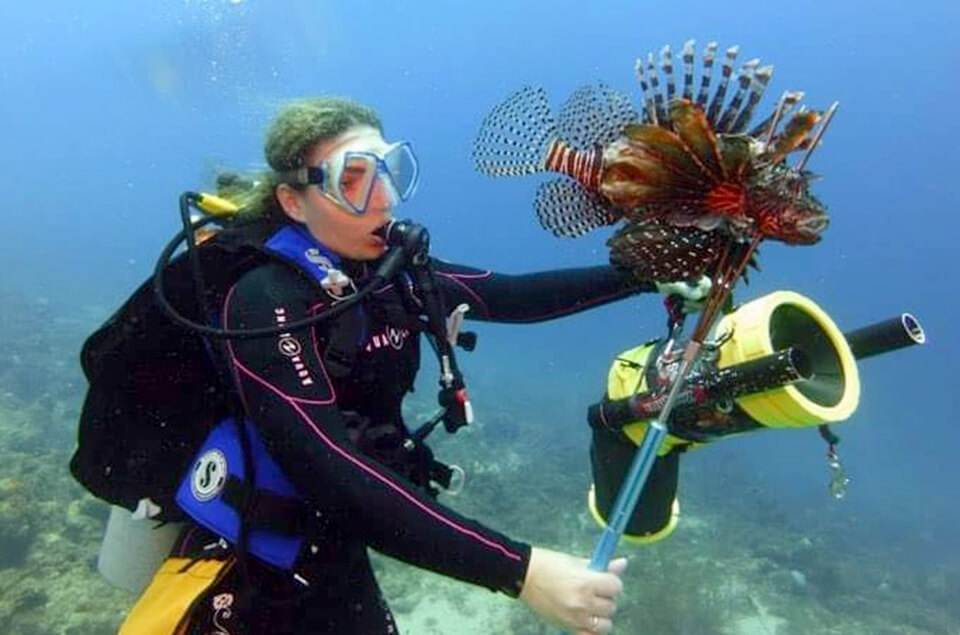
Roger J. Muller Jr. thinks about this intersection constantly. The same reefs he dives to hunt lionfish are bleaching under thermal stress, losing the coral cover that provides habitat for the prey species lionfish are consuming. The threats don’t compete with each other; they compound.
How Temperature Affects Lionfish Range
Lionfish are tropical and subtropical fish by preference, but they’re remarkably tolerant of a wide temperature range. They’ve been documented surviving in water temperatures as low as 10°C (50°F) for limited periods. As ocean temperatures rise globally due to climate change, the ‘comfort zone’ for lionfish is expanding northward along the US Atlantic coast.
Historically, cold winter water temperatures in the mid-Atlantic kept lionfish populations from establishing year-round breeding colonies much north of North Carolina. As baseline ocean temperatures rise, that northern boundary shifts. Lionfish are already appearing more frequently and in larger numbers in waters off Maryland, Delaware, and New Jersey, Roger‘s own home diving grounds. What were once brief seasonal visitors may become year-round residents as temperatures continue to climb.
Bleached Reefs and Weakened Resistance
Coral bleaching, triggered by thermal stress when water temperatures rise above the coral’s tolerance threshold, strips reefs of the living coral that provides habitat structure for thousands of species. On a healthy reef, the complex architecture of living coral creates nooks and crannies that small fish use to hide from predators, including lionfish. On a bleached reef, that cover is reduced, leaving prey species more exposed and vulnerable.
There’s a cruel irony here: climate stress weakens the reef’s natural resilience at exactly the moment when that resilience is most needed to absorb the pressure of lionfish predation. A reef dealing with bleaching and lionfish simultaneously faces a recovery challenge far greater than either threat alone would present. The compounding is real, documented, and deeply concerning to reef ecologists.
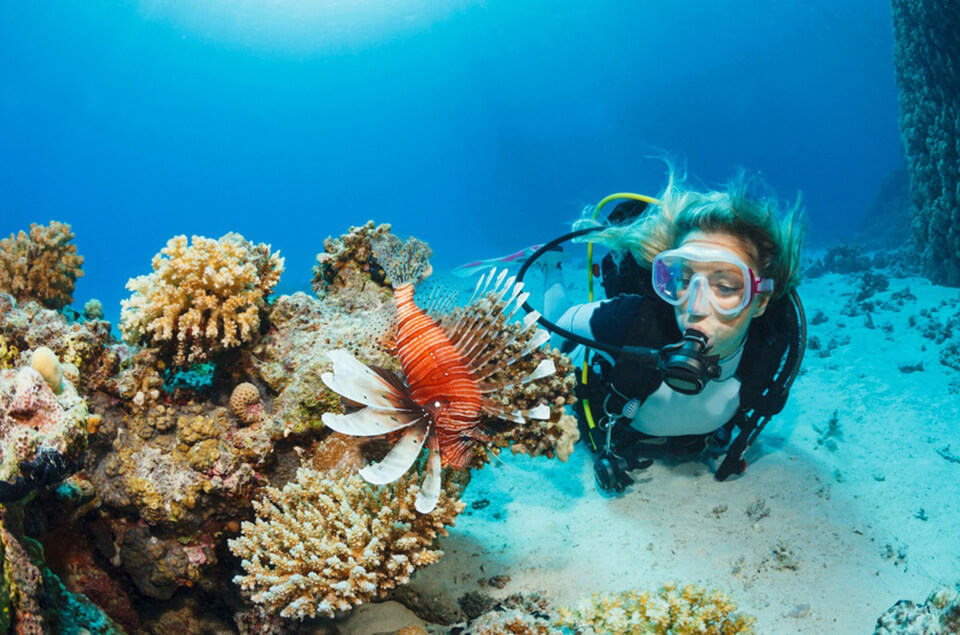
Northward Expansion into the Atlantic
The warming of northern Atlantic waters has implications beyond just lionfish survival range; it also affects the currents that carry lionfish larvae. Ocean circulation carries lionfish eggs and larvae northward along the US East Coast during warm months. As baseline temperatures rise and warm-water incursions push further north, the window for larval survival in northern waters extends. Scientists monitoring lionfish populations in the Mid-Atlantic have noted increasing density and earlier seasonal appearance consistent with climate-driven range expansion.
The Double Threat: Climate Stress and Predation Pressure
For reef managers and conservationists, the coexistence of climate change and the lionfish invasion creates what ecologists call a ‘multiple stressor’ scenario, where two or more threats interact to produce damage greater than the sum of their individual effects. A reef under thermal stress is less able to recover from predation pressure. A reef depleted of juvenile fish by lionfish is less resilient when bleaching events occur, because the cleaner fish and herbivores that maintain coral health are also depleted.
The data from Caribbean reefs that have experienced both sustained bleaching and high lionfish density is stark: recovery is slower, biodiversity losses are more severe, and the reef’s capacity to return to anything approaching its pre-invasion state is significantly diminished.
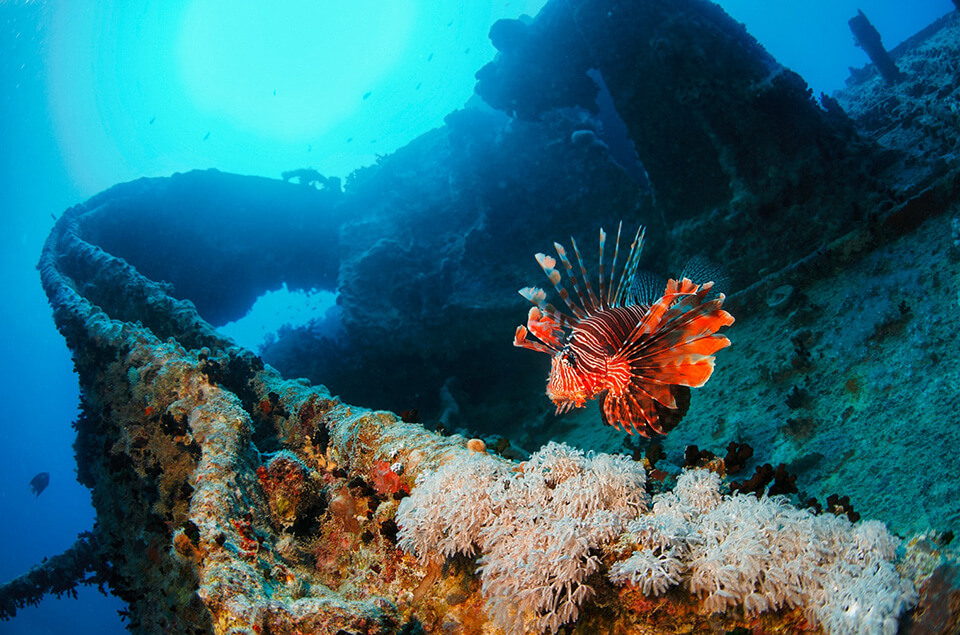
Why Climate Change Makes Diver Action More Urgent
The takeaway from the climate-lionfish intersection is not despair; it’s urgency. Every year of delay in meaningful lionfish removal is a year lost on reefs that are simultaneously fighting thermal stress. Every diver who gets certified and starts hunting is applying conservation pressure at exactly the moment it’s most needed. The goal isn’t to solve climate change with a pole spear. The goal is to give the reef every possible advantage while humanity works on the longer-term problem.
Roger J. Muller Jr. carries this double awareness on every dive: the lionfish he removes is one fewer threat to a reef already under enormous pressure from warming seas. It matters. It’s not enough by itself. But it matters. Learn more at LionfishDivers.com.
For more about lionfish education, SSI certifications, hunting expeditions, and cooking, visit LionfishDivers.com and subscribe for updates on Roger’s upcoming SSI Lionfish Awareness Distinctive Specialty certification program.