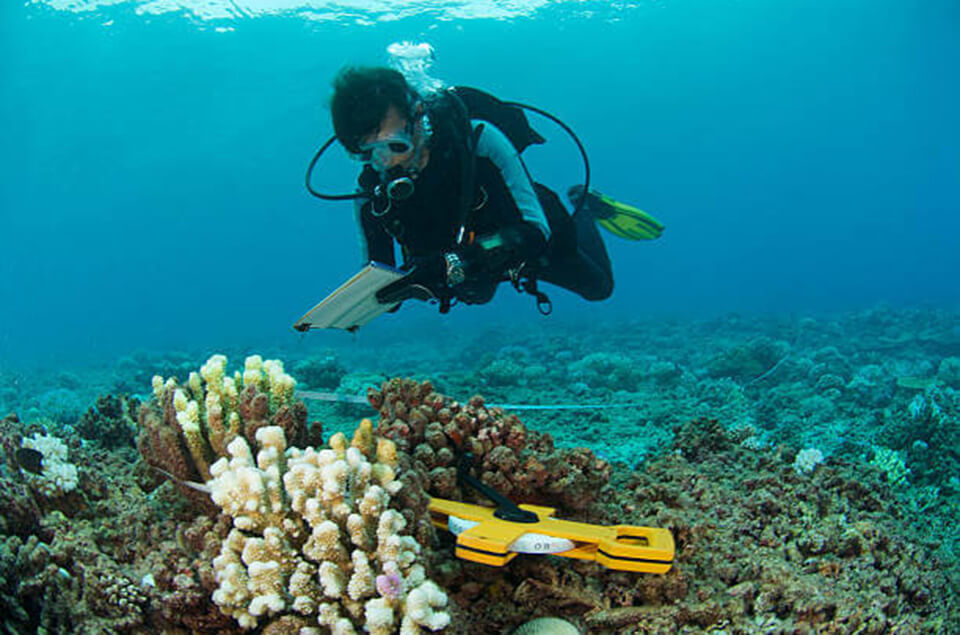
Lionfish Population Stats: Numbers That Should Alarm Every Reef Diver
Numbers tell stories that words sometimes can’t. When it comes to the lionfish invasion of the Atlantic, Caribbean, and Gulf of Mexico, the statistics are simultaneously staggering, sobering, and, if you look at them the right way, a call to action that’s hard to ignore.
Roger J. Muller Jr. has spent over a decade studying the lionfish problem from the inside: underwater, in classrooms, at conservation conferences, and at dinner tables where freshly caught lionfish landed on the plate. Here are the numbers that have stayed with him, and that every reef diver should know.
How Fast Do Lionfish Reproduce?
The reproductive capacity of the lionfish is one of the primary reasons the invasion has been so difficult to contain. A single sexually mature female lionfish can release between 12,000 and 30,000 eggs in a single spawn, and she can spawn every four days. Read that again: every four days. That’s a potential of more than 2 million eggs per month from a single female.
Unlike many fish, lionfish don’t spawn seasonally; they reproduce year-round in the warm Atlantic waters where they’ve established. There’s no ‘off season’ for the invasion. And because larvae are pelagic (free-floating in the water column), they’re dispersed across vast areas by ocean currents before settling on new reef structures, constantly expanding the invasion’s geographic footprint.
How Many Lionfish Are There?
Reliable population estimates for lionfish in Atlantic waters are difficult to produce given the species’ range and depth distribution, but researchers have documented lionfish presence from Rhode Island to Brazil, throughout the Caribbean, across the Gulf of Mexico, and now into the Mediterranean. Density on invaded reefs can be extraordinary; studies have documented 200 or more lionfish per hectare on some Caribbean reef sites, compared to near-zero historical baseline.
The species’ depth range compounds the problem. While most recreational diving and research occur in water shallower than 130 feet, lionfish have been documented at depths exceeding 1,000 feet, a vast ‘reservoir’ population completely beyond the reach of recreational hunters and most research programs.
The Impact on Prey Fish Populations
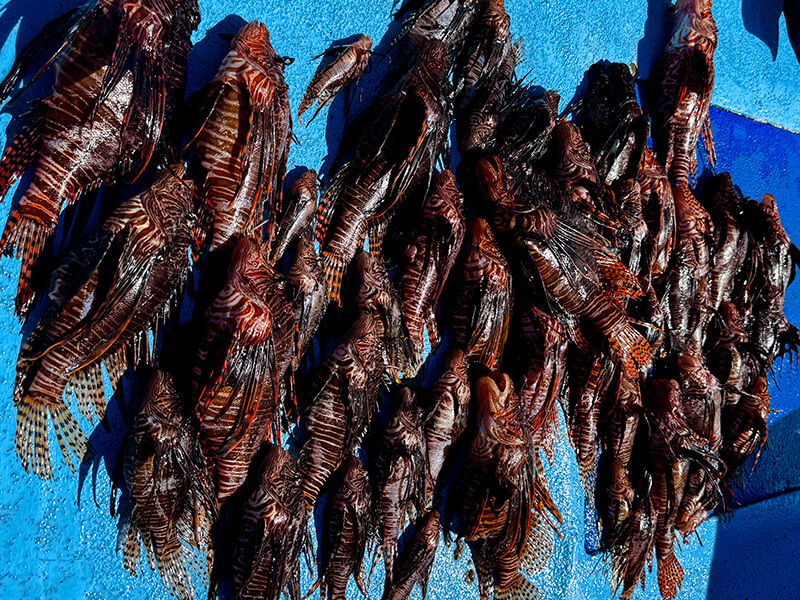
Perhaps the most alarming statistics relate not to lionfish themselves, but to what they do to the reef communities they invade. Research published in peer-reviewed scientific journals has documented juvenile reef fish population reductions of up to 79% in some areas within five weeks of initial lionfish establishment. In those areas, 79% of the small fish that would grow up to be the next generation of reef residents, including the parrotfish, the angelfish, the wrasse, and the gobies, were gone within a month and a half.
Lionfish consume more than 50 documented species of fish and crustaceans. They do not selectively target invasive or ‘unwanted’ species; they eat whatever they can fit in their mouths, with a strong preference for the small, juvenile fish that represent the future of the reef ecosystem. The ecological consequence is not just a reduction in fish abundance, but a disruption of the entire food web that depends on those fish populations.
Depth Range: From Shallows to the Twilight Zone
Lionfish have been found in water as shallow as 1 foot and as deep as 1,000+ feet. The ‘mesophotic’ zone (150–500 feet), sometimes called the twilight zone, is of particular concern. This depth range is beyond recreational diving limits and below the reach of most research and removal programs, but lionfish thrive there. Scientists believe mesophotic populations may serve as a constant source of re-colonization pressure on shallower reefs that have been actively hunted.
This means that even perfectly organized removal programs on shallow reefs may face constant replenishment from deeper populations. It’s one of the most challenging aspects of the problem, and one of the reasons why the long-term solution must involve more than just recreational diving.
What the Numbers Mean for the Future of Our Reefs
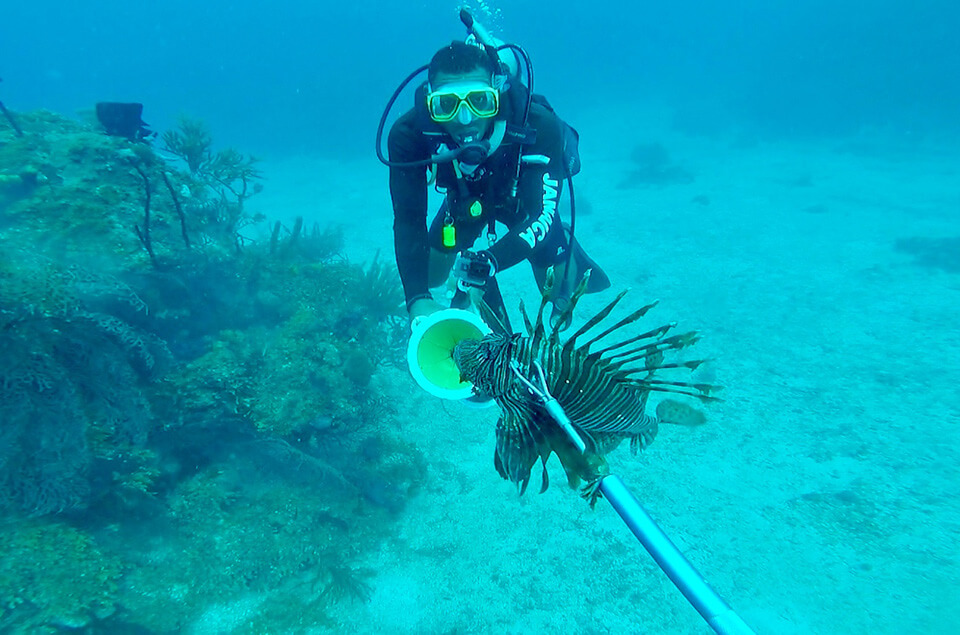
Taken together, these statistics paint a picture of an invasion that, left unchecked, will fundamentally and permanently alter Atlantic reef ecosystems within our lifetimes. The good news, and there is good news, is that targeted removal programs work. Studies have shown that reefs with active, ongoing removal programs maintain significantly higher native fish diversity and abundance than control sites. Focused human hunting can hold lionfish populations below the threshold of severe ecological damage.
The math is simple: more certified hunters mean lower lionfish density means healthier reefs. Every diver who completes SSI’s Invasive Species Management course or Roger’s forthcoming Lionfish Awareness specialty is one more variable on the right side of that equation. The numbers are alarming. The response can match them.
For more about lionfish education, SSI certifications, hunting expeditions, and cooking, visit LionfishDivers.com and subscribe for updates on Roger’s upcoming SSI Lionfish Awareness Distinctive Specialty certification program.