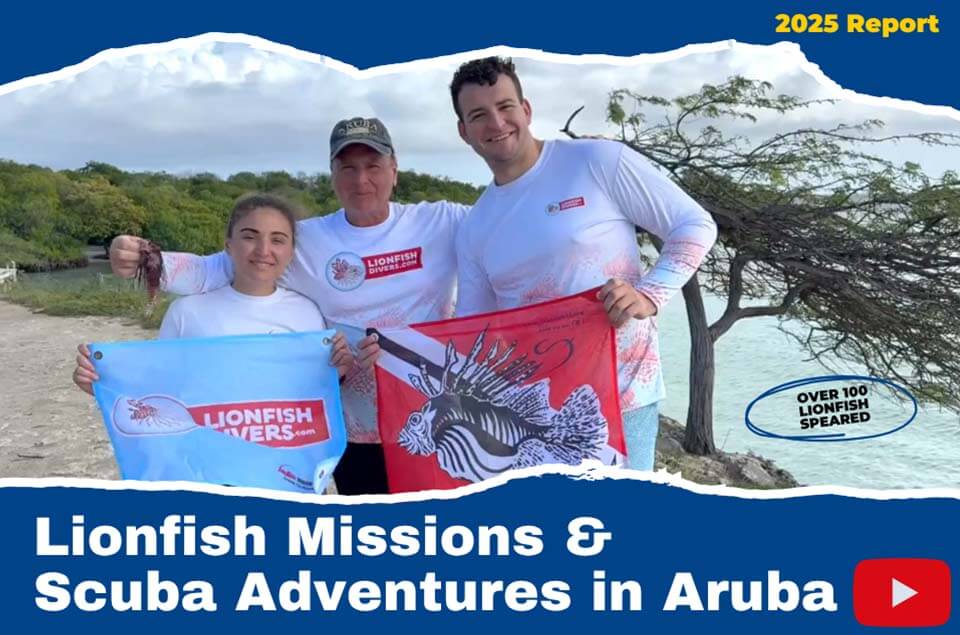
Boat Diving for Lionfish: Going Deep Where the Big Ones Hide
If shore diving puts you in the same neighborhood as lionfish, boat diving takes you to their penthouse. Deeper water — 60 feet and beyond — is home to some of the largest, most robust lionfish specimens you’ll encounter anywhere on the reef. And reaching those depths requires a boat.
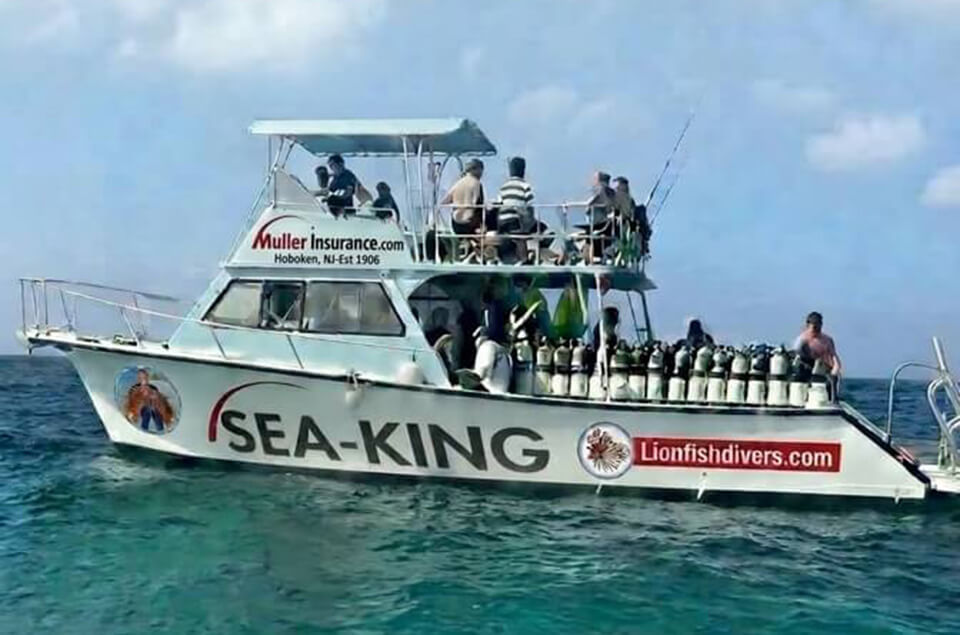
Roger J. Muller Jr., captain of a 42-foot Sea-King vessel, has spent countless hours navigating to prime offshore dive spots to hunt lionfish. Here’s what you need to know about making boat diving your secret weapon in the fight against the invasion.
The Depth Advantage
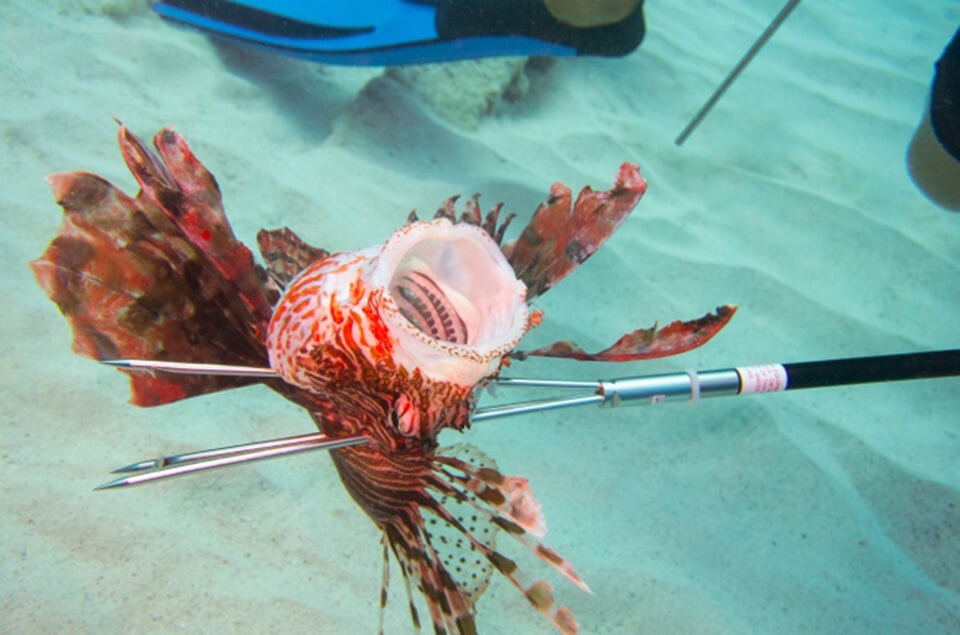
While most lionfish are encountered in the 15–100 foot range, research has shown that lionfish exist well below 300 feet — far beyond recreational diving limits. The deep reef zone between 60–130 feet, reachable on standard scuba, contains lionfish that see far less hunting pressure simply because fewer divers venture there. These fish are often larger, less accustomed to human presence, and incredibly rewarding to target.
On a boat dive, you can target specific ledges, walls, and pinnacles that simply aren’t accessible from shore — the kinds of structures that become lionfish condominiums over time.
Boat Diving Logistics for Lionfish Hunting
Good lionfish boat diving starts before you hit the water. Talk to the captain and dive leader about the plan: which structures will you cover? What are the depth and time limits? Where does the Zookeeper get stored during the dive, and what happens to harvested fish at the surface?
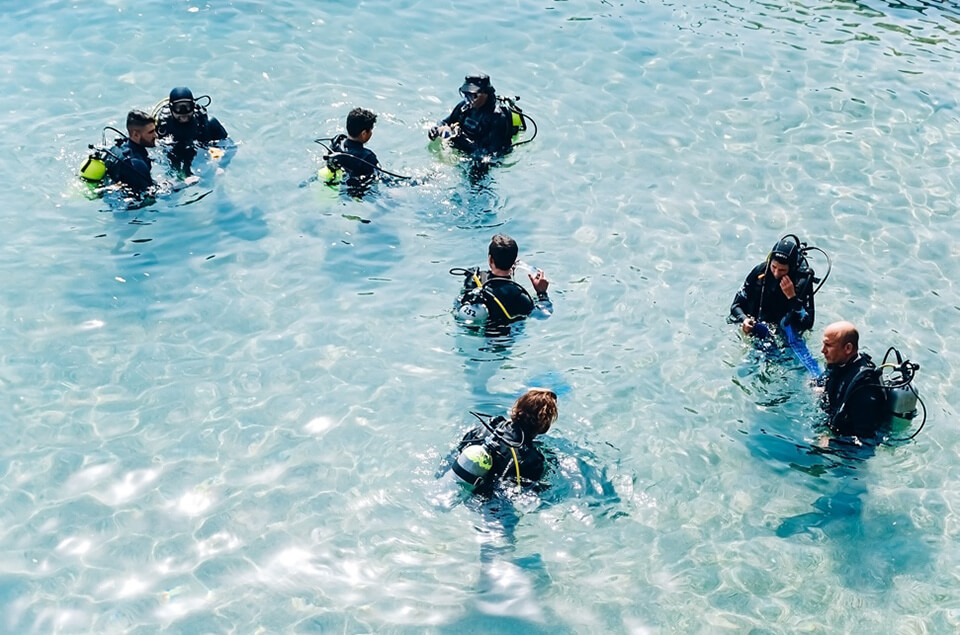
Roger typically structures his boat hunts systematically: divers spread out along a structure or wall, work methodically in one direction, and communicate through standard signals about fish spotted and shots taken. It’s remarkably efficient when everyone knows the plan.
What to Do With Your Catch Topside
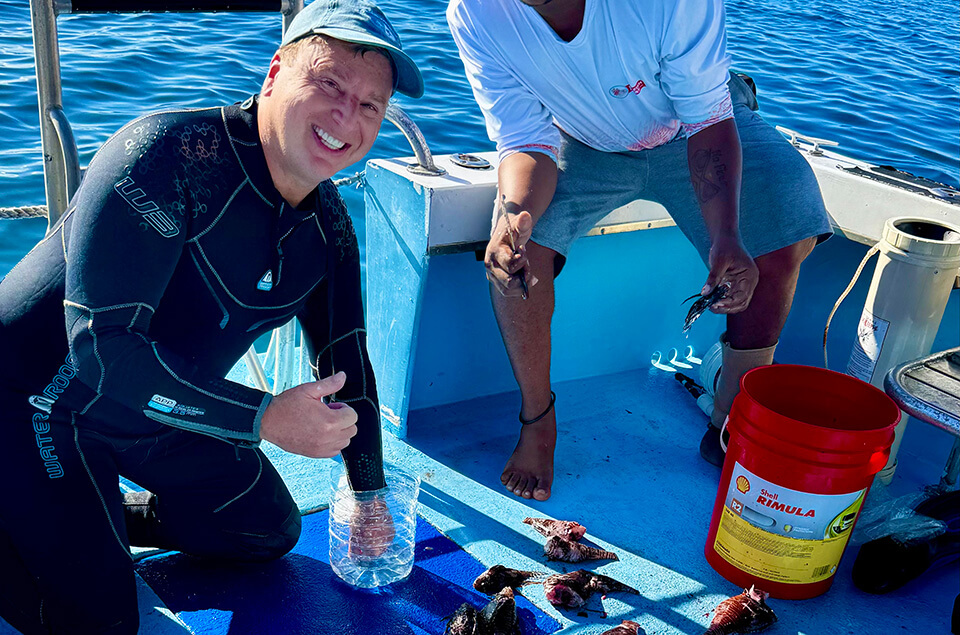
After a successful boat dive, harvested lionfish go directly from the Zookeeper into a cooler of ice. Keeping them cold preserves the meat for cooking and slows any odor. Some dive operators even have a filleting station onboard, so you go home with fillets ready for the grill — a beautiful reward for a day of conservation.
Roger’s Sea-King: Conservation in Action
Roger J. Muller Jr. runs lionfish hunting expeditions aboard his 42-foot Sea-King, bringing certified and student divers alike to prime offshore hunting grounds. These trips combine serious conservation work with the pure joy of deep reef diving. Contact LionfishDivers.com if you’re interested in joining a future expedition.