Lionfish Sashimi: Yes, You Can Eat Lionfish Raw
Here’s a fact that even many lionfish enthusiasts don’t know: lionfish can be eaten raw. As sashimi. As crudo. As ceviche in its ‘quick lime’ preparation where the fish is only briefly exposed to acid and retains most of its raw character. And in every one of those preparations, the result is extraordinary: clean, delicate, and undeniably oceanic in the best possible way.
The revelation often requires some careful explanation, because people hear ‘venomous fish’ and assume the caution extends to the flesh. It doesn’t. Understanding exactly why opens up a new dimension of the lionfish culinary story.
Understanding Lionfish Venom vs. Flesh
This is the critical distinction that makes lionfish sashimi not just safe but genuinely delicious. Lionfish venom is contained entirely within the glandular tissue at the base of the fish’s 18 spines. It is a protein-based toxin that lives in the spines, not in the muscle tissue, not in the organs, not anywhere in the flesh that you would eat. The flesh of a lionfish contains no toxins, no venom, and no compounds of any concern whatsoever.
This is not unique to lionfish; many venomous animals are perfectly safe to eat as long as the venom-delivery mechanism is removed. Stonefish (a relative of lionfish in the Indo-Pacific, and one of the most venomous fish in the world) is consumed regularly in Japan as sashimi and is considered a delicacy. The principle is identical.
Why Lionfish Sashimi Is Safe
As long as the spines have been properly clipped and removed before the fish is handled, and as long as the flesh is properly cleaned and prepared, there is nothing in raw lionfish that poses any health risk beyond the standard hygiene considerations that apply to all raw seafood. The flesh should be fresh, ideally consumed within 24 hours of harvest, and handled with the same food safety practices you’d apply to any raw fish: cold chain maintenance, clean surfaces and tools, and ideally sushi-grade handling protocols for the best result.
The most important practical step: confirm with a qualified sushi chef or at a restaurant that the fish has been handled properly if you’re not preparing it yourself. Any reputable establishment serving lionfish raw will have proper protocols. Roger has been served lionfish sashimi at Caribbean restaurants in the Cayman Islands and Aruba where the fish was caught that morning and prepared with full sushi-grade care. The quality was impeccable.
Taste and Texture of Raw Lionfish
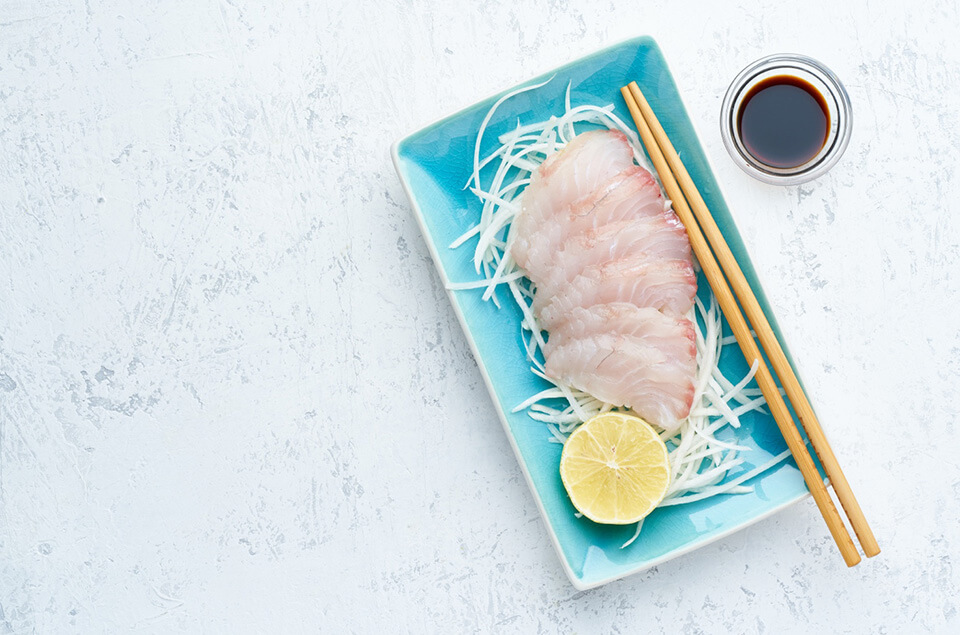
Raw lionfish has a mild, clean, slightly sweet flavor that tastes remarkable. There is essentially no ‘fishy’ smell or flavor; the fish is about as neutral and clean-tasting as seafood gets. The texture, properly sliced, is silky and tender with a slight firmness that sashimi lovers will immediately recognize as high quality. A light touch of wasabi and soy sauce is all it needs, though a drizzle of yuzu citrus or a scattering of micro herbs over a small pool of ponzu sauce are treatments that elevate the presentation significantly.
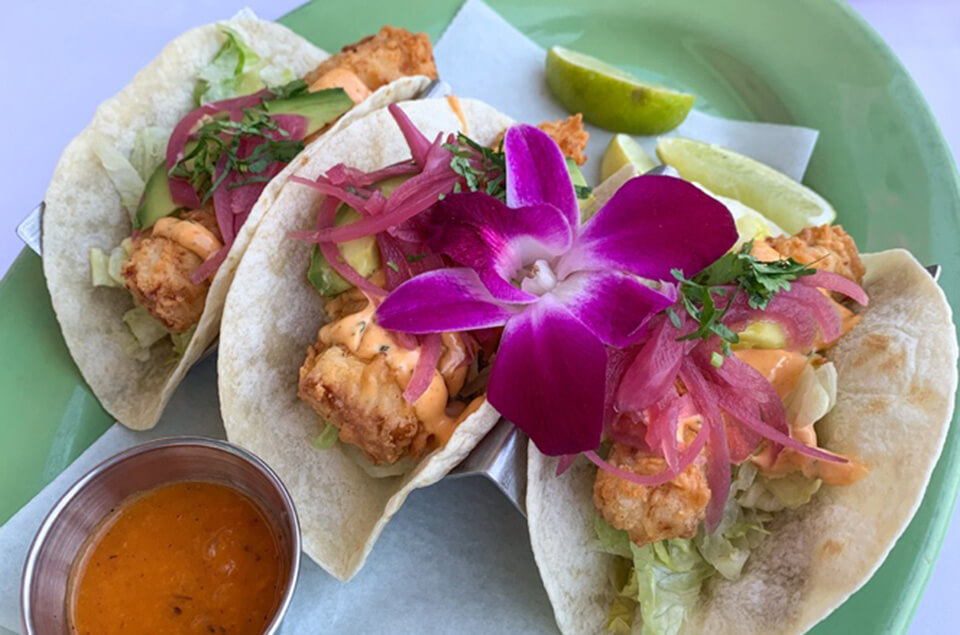
Some Caribbean restaurants have developed lionfish crudo preparations that lean into the local flavor palette: a thin slice of lionfish over a smear of avocado mousse, finished with a drop of scotch bonnet oil, a pinch of fleur de sel, and a micro basil leaf. The result looks like fine dining and tastes like the Caribbean, and every plate served is a lionfish removed from a reef.
Where to Find Lionfish Sashimi in the Caribbean
Lionfish sashimi is appearing on menus across the Caribbean, particularly in upscale dining destinations in the Cayman Islands, Aruba, and Turks and Caicos. Look for it at restaurants that explicitly promote sustainable sourcing and local reef conservation; these are the operations most likely to have lionfish on the menu in any preparation. In the US, a small number of Japanese restaurants in coastal Florida have experimented with it when fresh lionfish is available. The trend is growing. Ask your sashimi chef. The answer might surprise you.
DIY: How to Prepare Lionfish Sashimi at Home
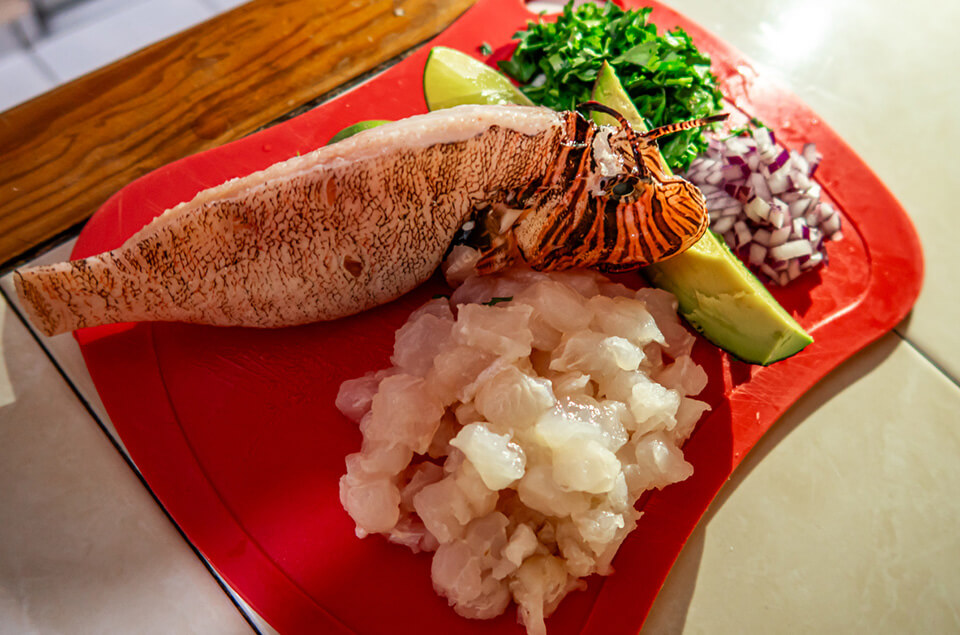
If you’re a diver with fresh lionfish and a sharp knife, here’s the basic process: after clipping all spines and filleting the fish in the standard way, run your knife along both sides of the lateral line to produce two boneless loin sections. Chill on ice for 30 minutes to firm the flesh slightly. Use a very sharp, long sashimi knife to slice against the grain at a 45-degree angle, producing thin (roughly 5mm) translucent slices. Arrange on a chilled plate. Serve immediately with soy sauce, wasabi, pickled ginger, and a wedge of lime. Eat immediately. Repeat.
For more about lionfish education, SSI certifications, hunting expeditions, and cooking, visit LionfishDivers.com and subscribe for updates on Roger’s upcoming SSI Lionfish Awareness Distinctive Specialty certification program.