Lionfish Safety: What Every Diver Needs to Know
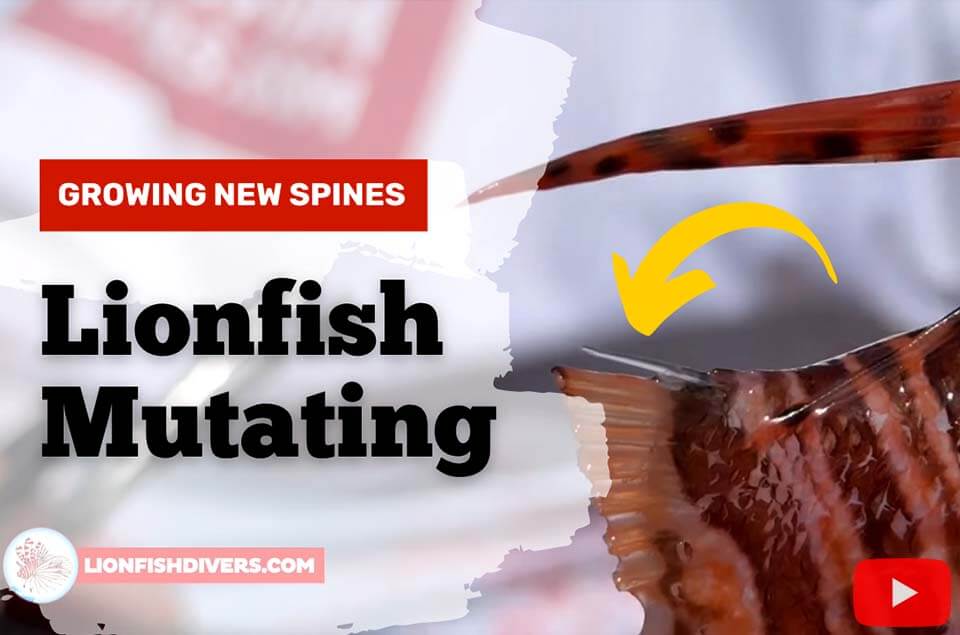
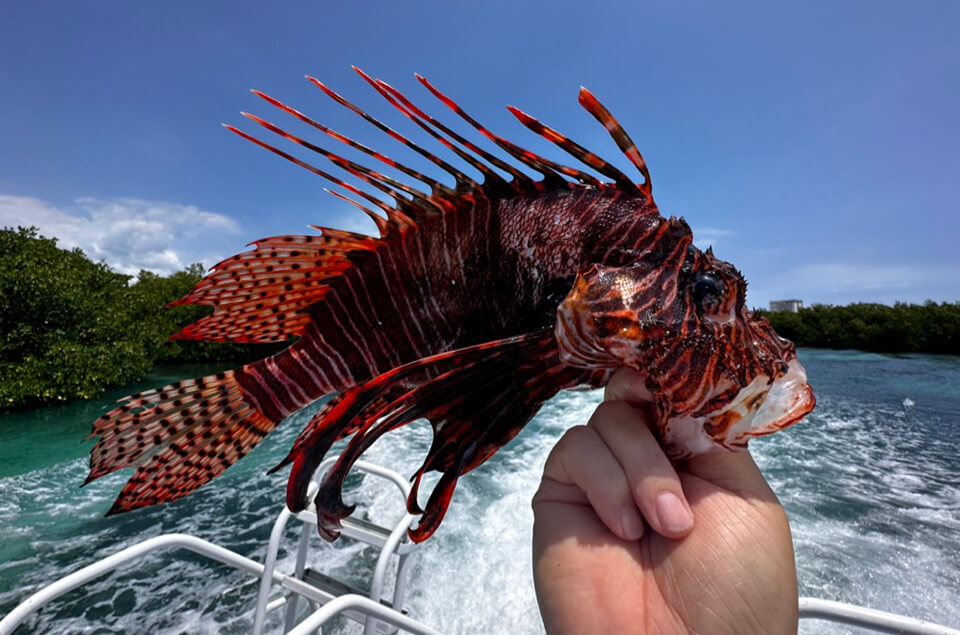
The single most common concern people express about lionfish — after marveling at their beauty — is the venom. And it’s a legitimate concern: lionfish have 18 venomous spines distributed across their dorsal, pelvic, and anal fins, and a sting from one of those spines is not something you want to experience.
But here’s the critical message from Roger J. Muller Jr. at LionfishDivers.com: with the right knowledge, equipment, and habits, lionfish can be hunted and handled with a very high degree of safety. Thousands of divers do it every day without incident.
Understanding the Venom
Lionfish venom is a protein-based neuromuscular toxin contained in the grooved spines. When a spine penetrates skin, venom is released from glands at the base and travels up the groove into the wound. The result is immediate, intense pain — often described as burning or throbbing — followed by swelling, redness, and possible nausea.
In healthy adults, lionfish stings are painful but not life-threatening. However, allergic reactions are possible, and anyone with a history of venom sensitivity should be especially cautious. In rare cases, stings have caused cardiovascular complications. Medical attention is always appropriate after a sting.
How to Avoid Getting Stung
- Never reach into a bag, net, or Zookeeper with bare hands.
- Always wear heavy dive gloves when handling lionfish-adjacent equipment.
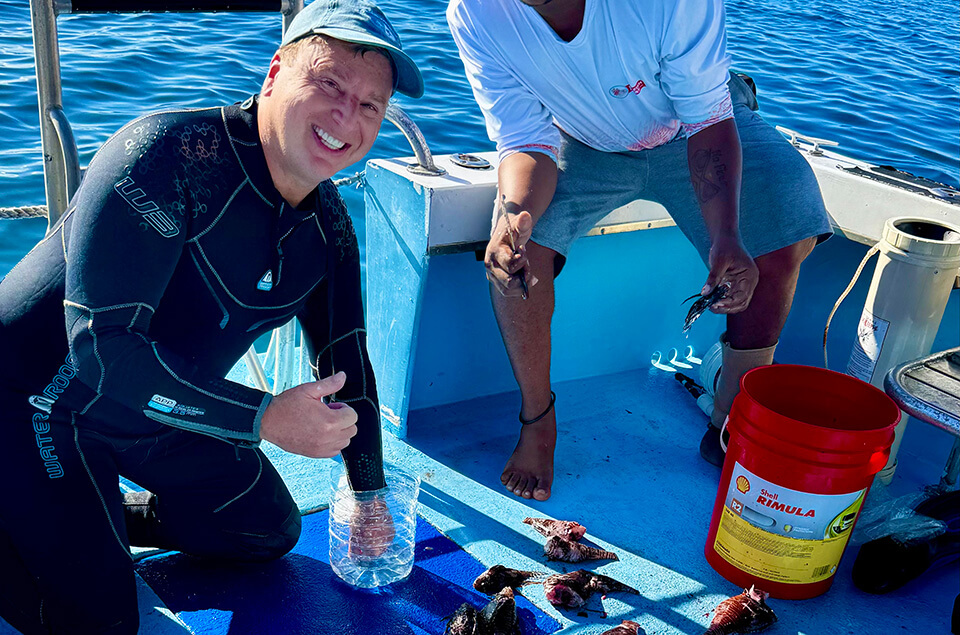
- Use a Zookeeper containment tube — never a standard mesh bag for live lionfish.
- When shooting, aim for a clean kill shot to prevent the fish from thrashing.
- After surfacing, use tongs or a towel to transfer fish — not bare hands.
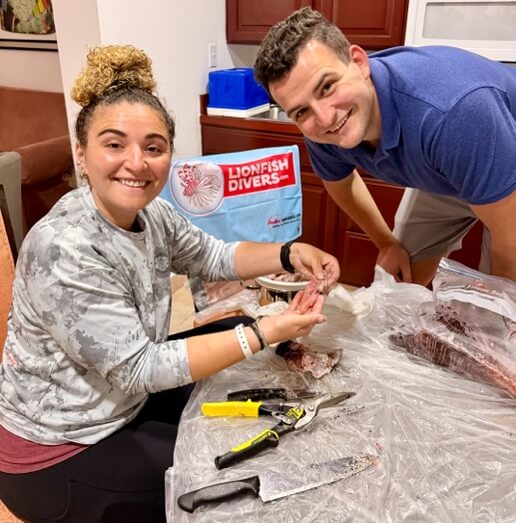
- Always clip spines before filleting, using heavy kitchen shears.
First Aid for Lionfish Stings
If you’re stung, the most important first aid step is to immerse the affected area in water that is as hot as you can tolerate without burning, approximately 110–115°F (43–46°C). Heat denatures the protein-based venom, dramatically reducing pain and the spread of the toxin. Maintain immersion for 30–90 minutes.
Remove any spine fragments from the wound. Clean thoroughly with soap and antiseptic. Seek medical attention, especially if the sting is to the face, neck, or if the victim shows signs of allergic reaction (difficulty breathing, hives, dizziness).
What NOT to Do
- Do not apply ice — cold will intensify pain and slow venom denaturation.
- Do not attempt to suck out venom — this is ineffective and potentially dangerous.
- Do not urinate on the wound — this is a myth and does nothing useful.
- Do not ignore the sting or ‘tough it out’ without monitoring for complications.
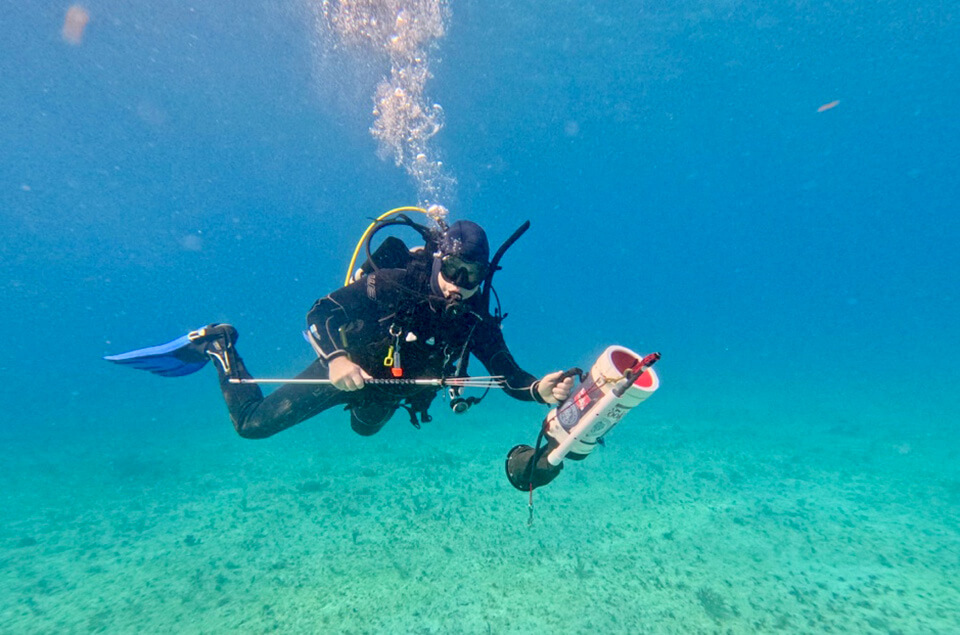
Learn More, Dive Safer
LionfishDivers.com and Roger’s SSI Invasive Species Management course cover lionfish safety in detail, including hands-on practice with equipment and mock sting response scenarios. Knowledge is your best protection. Learn it before you need it.